Posts

Showing posts with the label SPD

Paul Frölich and Rosa Luxemburg

Image
Paul Frölich’s biography of Rosa Luxemburg is an engrossing and informative read. Far shorter than the perhaps better-known two-part work by J.P. Nettl, the work is no less important for understanding Luxemburg’s life, times, and massive theoretical contributions. I’ve never fully appreciated the importance of Luxemburg’s work until now: it’s one thing to know the laudatory quotes (Frantz Mehring called her “the best brain after Marx,” and Lenin likened her to an eagle sorrowing over all her detractors) and another experience the full power of her thought. Frölich follows Luxemburg’s life from her early years in Poland to a seasoned revolutionary at the end of World War One. Along the way, he describes many important events taking place in European socialism such as the revisionist dispute surrounding Edward Bernstein and the parliamentary entryist debate surrounding Alexandre Millerand. Massive events of world importance loom overhead, including the first and second Russian Revolution...
Important Points from Rosa Luxemburg's 'The Junius Pamphlet'

Image
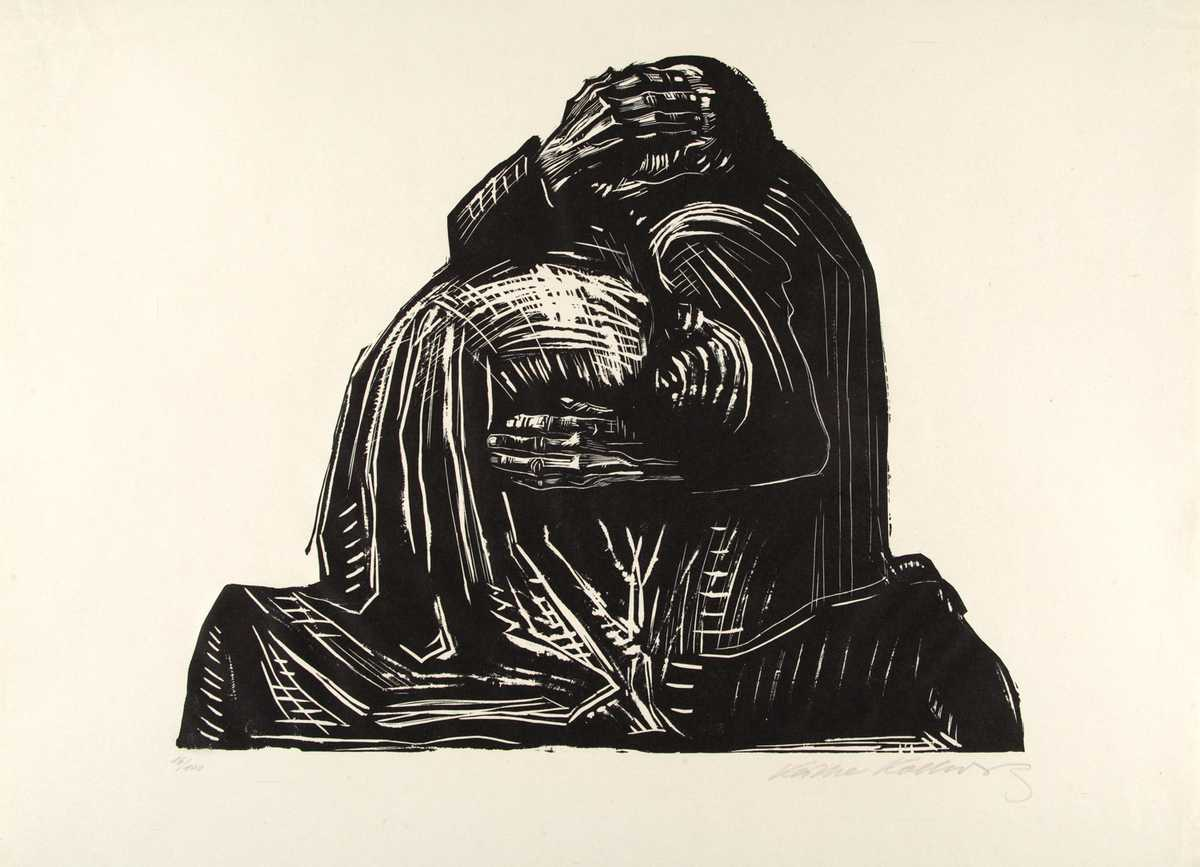
  Kathe Kollwitz The Parents (1921-22) Rosa Luxemburg wrote The Junius Pamphlet while in prison in 1915. She had been arrested for speaking out against the war. The voting of war credits by the SPD and near unanimous support for the war by the other parties of the Second Internation (with the exception of Russia and the United States) was a devasting blow to the cause of the socialist revolution.  The pamphlet served as the guiding statement for the International Group, which later became the  Spartacus League  and, from 1919, the  Communist Party of Germany  (KPD). The following is a summary of important points from each chapter of the pamphlet.  Bourgeois society reveals its true colors in war: " Violated, dishonored, wading in blood, dripping filth – there stands bourgeois society. This is it [in reality]. Not all spic and span and moral, with pretense to culture, philosophy, ethics, order, peace, and the rule of law – but the ravening beast, the wi...

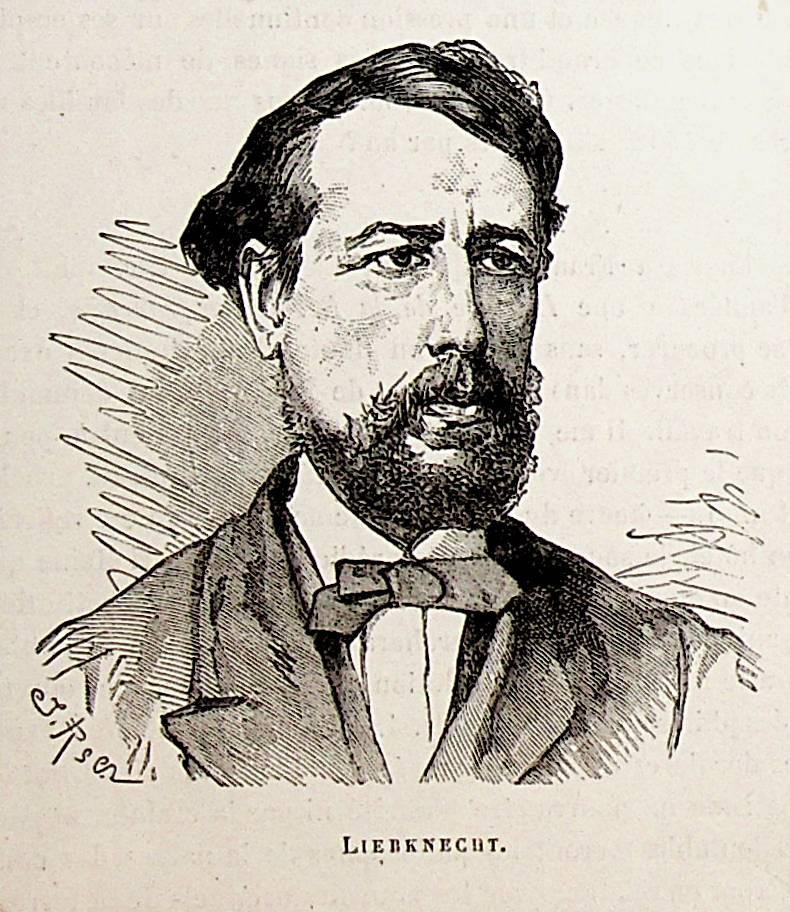
Summary of Wilhelm Liebknecht's 'No Compromise' (with Lenin's Preface)

Image
How should socialists in a party use their position in bourgeois political bodies? When should a socialist party engage in electoral politics, and when should they abstain? When is it acceptable to make a compromise, and when does a compromise become unacceptable? Overall, what positive and negative lessons can be learned from the theory and practice of Kautsky and Liebknecht and the SPD, Lenin and the RSDLP, and (a bit) from the independent socialist Alexander Millerand in France? Lenin's Preface Liebknecht’s work is important for the RSDLP in the context of the elections to the second Duma. (Elections begin in late 1906 and the Duma runs from February to June of 1907). The RSDLP can learn from Liebknecht on the question of forming agreements with rival parties. Here in Russia, we are concerned about forming a block with the Cadets. The cadets (moderate constitutional democrats - CD = ‘ka’ ‘deh’) were in the majority during the first duma. They were originally more to the left but...